
Explore The Science Behind Cannabis Flowers and Its Healing Properties
The Science Behind Cannabis Flowers and Its Healing Properties.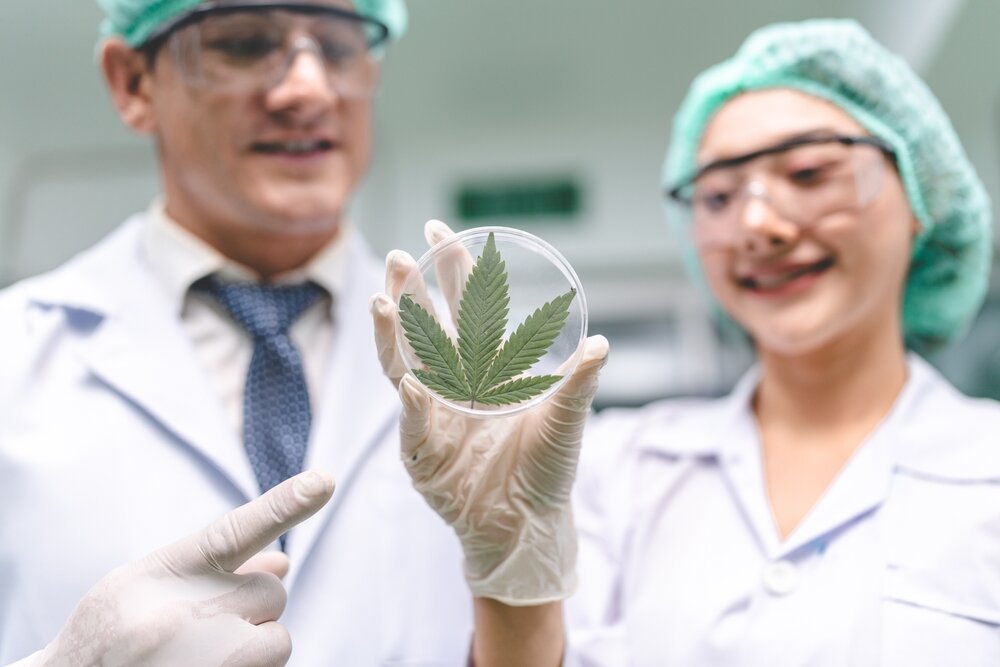 Cannabis, a plant with a rich and controversial history, has recently emerged as the subject of extensive scientific research regarding its healing properties.
In particular, the cannabis flower, which contains a multitude of compounds known as cannabinoids, has piqued the interest of researchers, healthcare professionals, and consumers alike.
This blog aims to delve into the science behind cannabis flower and elucidate its potential therapeutic benefits in a manner accessible to everyone.
Understanding Cannabis Flower and its Components
At the heart of the cannabis plant's healing properties lie its diverse array of chemical compounds, commonly known as cannabinoids.
The most well-known cannabinoids include tetrahydrocannabinol (THC) and cannabidiol (CBD), each exerting distinct effects on the human body.
THC is renowned for its psychoactive properties, while CBD is associated with a myriad of potential therapeutic benefits, including anti-inflammatory and anti-anxiety effects.
The Entourage Effect: Synergy in Action
One remarkable phenomenon associated with cannabis flowers is the entourage effect, wherein the combined action of various cannabinoids, terpenes, and other plant compounds produces a synergistic effect that is more profound than the action of each component in isolation.
This intricate interplay contributes to the diverse range of therapeutic effects attributed to cannabis flowers and underscores the importance of utilizing the whole plant rather than isolated compounds.
Exploring the Endocannabinoid System
To comprehend the healing potential of cannabis flowers, it is crucial to understand the endocannabinoid system, a complex network of receptors and neurotransmitters present throughout the human body.
This system is pivotal in regulating various physiological processes, including pain perception, mood, appetite, and immune function.
Upon consumption, cannabinoids from cannabis flower interact with these receptors, thereby modulating the endocannabinoid system and potentially alleviating a myriad of symptoms and conditions.
Therapeutic Applications of Cannabis Flower
The burgeoning field of cannabis research has unearthed promising evidence regarding the potential therapeutic applications of cannabis flowers.
From the management of chronic pain and inflammation to the mitigation of anxiety and stress-related disorders, there is mounting interest in harnessing the healing properties of cannabis flower across a wide spectrum of medical conditions.
Risks and Considerations
While the therapeutic potential of cannabis flower is compelling, it is essential to acknowledge the associated risks and considerations.
For instance, the psychoactive effects of THC can pose challenges for some individuals, and the regulatory landscape surrounding cannabis products varies across different regions.
Furthermore, the potential for abuse and dependency necessitates a cautious approach to the widespread use of cannabis flowers for therapeutic purposes.
Dispelling Myths and Misconceptions
In the context of cannabis flower and its healing properties,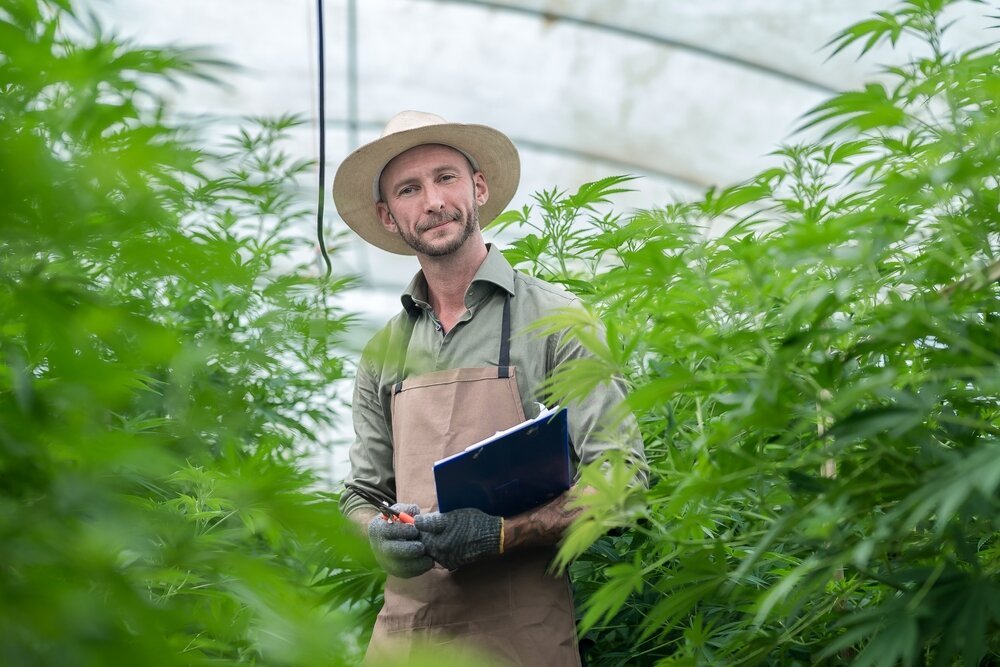 there exist numerous myths and misconceptions that may hinder public understanding and acceptance.
Addressing these fallacies, such as the overblown association between cannabis use and cognitive impairment, is crucial for fostering an informed and nuanced discourse around the topic.
Conclusion
The science behind cannabis flower and its healing properties represents a captivating intersection of botany, pharmacology, and human physiology.
As research in this field continues to unfold, it is imperative to approach the subject with an objective and open-minded perspective, acknowledging both the potential benefits and limitations inherent in the therapeutic use of cannabis flowers.
By fostering a balanced and comprehensive understanding, we can pave the way for harnessing the healing potential of cannabis flowers in a responsible and impactful manner.