
Cannabis and Mental Health: Unveiling Myths and Realities
Cannabis has been at the center of controversy for decades,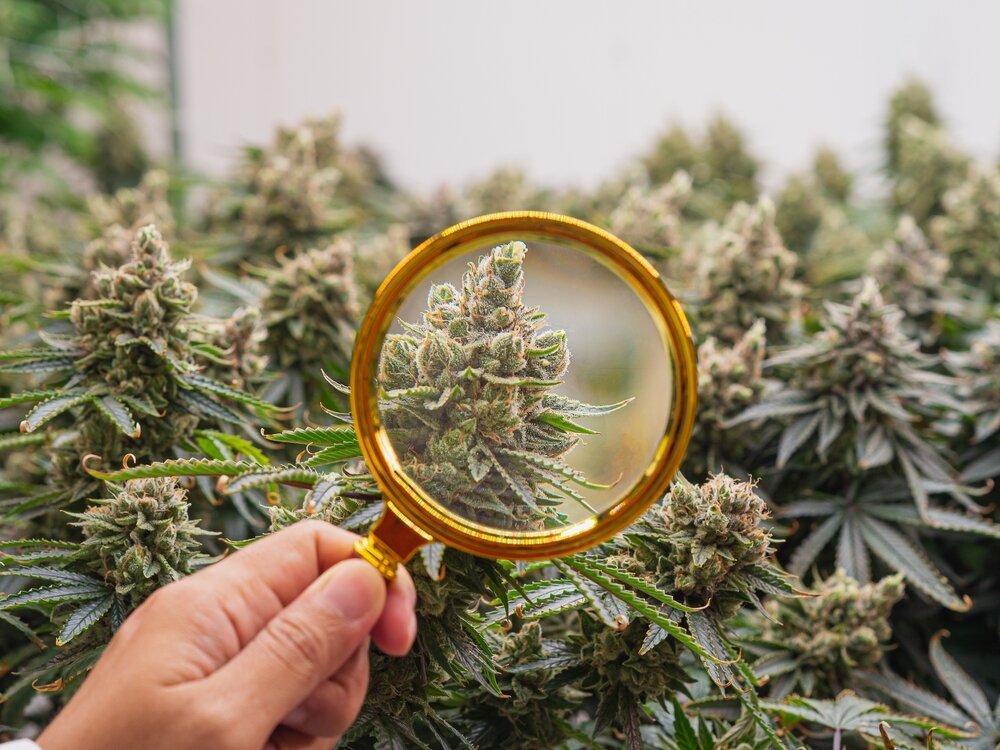 often surrounded by myths and misconceptions, particularly in the realm of mental health.
With growing interest in the potential therapeutic uses of cannabis and the progressive legalization of the plant in many parts of the world, it is crucial to clear the smoke and look at what science says about it and mental health.
In this blog, we'll explore the current understanding of cannabis interactions with mental health, debunking myths and acknowledging the realities.
Myth vs. Reality: Understanding the Complex Relationship
Myth 1: Cannabis is a Harmless Panacea for Mental Health Issues
There's a widespread belief that cannabis is an all-encompassing cure for various mental health problems. This myth has been amplified by anecdotal evidence and the promotion of it as a treatment for anxiety, depression, and even severe mental illnesses.
Reality: The reality is much more complex. While certain compounds in cannabis, like CBD (cannabidiol), have shown promising therapeutic effects, the evidence is mixed and often contradicted by studies that find potential risks.
THC (tetrahydrocannabinol), the psychoactive component, can exacerbate symptoms of anxiety and even lead to paranoia in some individuals. Patients need to consult with healthcare professionals before considering it as a treatment option for mental health issues.
Myth 2: Cannabis Use Leads to Mental Disorders
Another common claim is that use can cause mental disorders, particularly schizophrenia, or precipitate a psychotic episode. This assertion feeds into the stigmatization of users and draws a direct line from usage to mental illness without considering other factors.
Reality: Research does indicate a correlation between cannabis use and an increased risk of psychotic episodes or disorders, particularly for those with a pre-existing genetic vulnerability. However, correlation doesn't imply causation.
Further research is needed to understand the factors at playfully. It is also worth considering the role of heavy usage and high-THC strains, which are more likely to be associated with adverse mental health effects.
Myth 3: Medical Cannabis Can't Help with Mental Health Conditions
Skeptics may argue that medical cannabis offers no real benefits for those struggling with mental health issues and dismiss any therapeutic claims as unfounded.
Reality: While it's true that it is not a cure-all, certain cannabinoids have shown potential in clinical trials. For instance, CBD has demonstrated anxiolytic and antidepressant-like effects in studies, and its use as an adjunctive therapy for conditions such as PTSD shows promise. The key is rigorous research to establish safe and effective clinical applications.
The Bipolarity of Cannabis: Anxiety and Depression
Anxiety Relief or Cause for Panic?
For some individuals, It provides a calming effect often sought by those experiencing anxiety. CBD, in particular, has garnered attention for its ability to alleviate anxiety without the intoxicating effects of THC.
On the flip side, THC has been known to heighten anxiety and even induce panic attacks in certain users. The lesson here is that the effects of cannabis on anxiety are not uniform across all users and dosages.
A Light in the Darkness or a Shadow on the Soul?
Anecdotal reports of cannabis elevating mood and providing a reprieve from depression are plentiful. Studies suggest that low doses of THC or CBD might have antidepressant effects.
It's crucial, however, to recognize that self-medication can also lead to a dependence that ultimately may worsen depressive symptoms over time.
Cannabis and Severe Mental Health Conditions
The discussion becomes particularly heated when it comes to severe mental health conditions such as schizophrenia or bipolar disorder. While some advocate for the use of cannabis in managing these conditions, mainstream scientific research typically advises caution.
A Potential Therapy for PTSD
There's promising evidence supporting the use of cannabis, specifically CBD, in treating PTSD-related symptoms.
CBD's role in modulating the endocannabinoid system could contribute to mitigating the response to traumatic memories and improving sleep. This potential is a beacon of hope for many who have not found relief through traditional therapies.
Schizophrenia and Cannabis: A Risky Association
With schizophrenia, the relationship with it is fraught with risk. High potency use, especially among younger people, has been associated with an elevated risk of developing schizophrenia.
Nonetheless, not all compounds are created equal. CBD, for instance, has shown antipsychotic properties in preliminary studies, although it is far from being a standard treatment.
Breaking the Stigma: Education and Responsible Use
The path forward requires a breakdown of stigmas surrounding both cannabis use and mental health. It means recognizing the potential benefits and understanding the risks associated with its misuse.
Education
To achieve a balanced perspective, education is essential. The general public needs access to unbiased, research-based information on the effects of cannabis on mental health. This would inform responsible use and help individuals make educated decisions about their health.
Responsible Use and Regulation
Alongside educational endeavours, appropriate regulation of cannabis products is necessary. This includes controlling the potency of THC in products and ensuring their quality and safety. Legal frameworks should facilitate research that can lead to concrete guidelines for use in mental health treatment.
Let Science Lead the Way
As we continue to investigate cannabis and its impact on mental health, our responses should be guided by scientific inquiry and evidence-based practices. The potential benefits, with a focus on non-intoxicating cannabinoids like CBD, offer a compelling avenue for research and possible therapeutic interventions.
Conclusion
The relationship between cannabis and mental health is complex and nuanced. It challenges simplistic narratives and demands a multi-faceted approach grounded in science.
The myths surrounding this relationship hinder progress, but as we dispel these misconceptions and come to understand the realities, we pave the way for a future where it may be judiciously integrated into mental health treatment as appropriate and where the stigma surrounding both cannabis use and mental illness is a thing of the past.
As society's perspectives on it continue to evolve, it is incumbent upon researchers, healthcare professionals, and policymakers to work together to ensure responsible integration into mental healthcare and to keep patient well-being at the forefront of their efforts.